Run your own AI agent swarm, at home
A series that starts from zero and ends with a swarm of AI agents running on your own machine: models, GPU scheduling, a sandbox so the AI can write code without breaking anything, memory, and a voice. Every episode ships one real, tested, open-source building block.
- voice
- Piper TTS, on the CPU
- lips
- driven by the voice's loudness
- character
- ComfyUI, on our own GPU
- cloud APIs
- none
The app: FoxBot
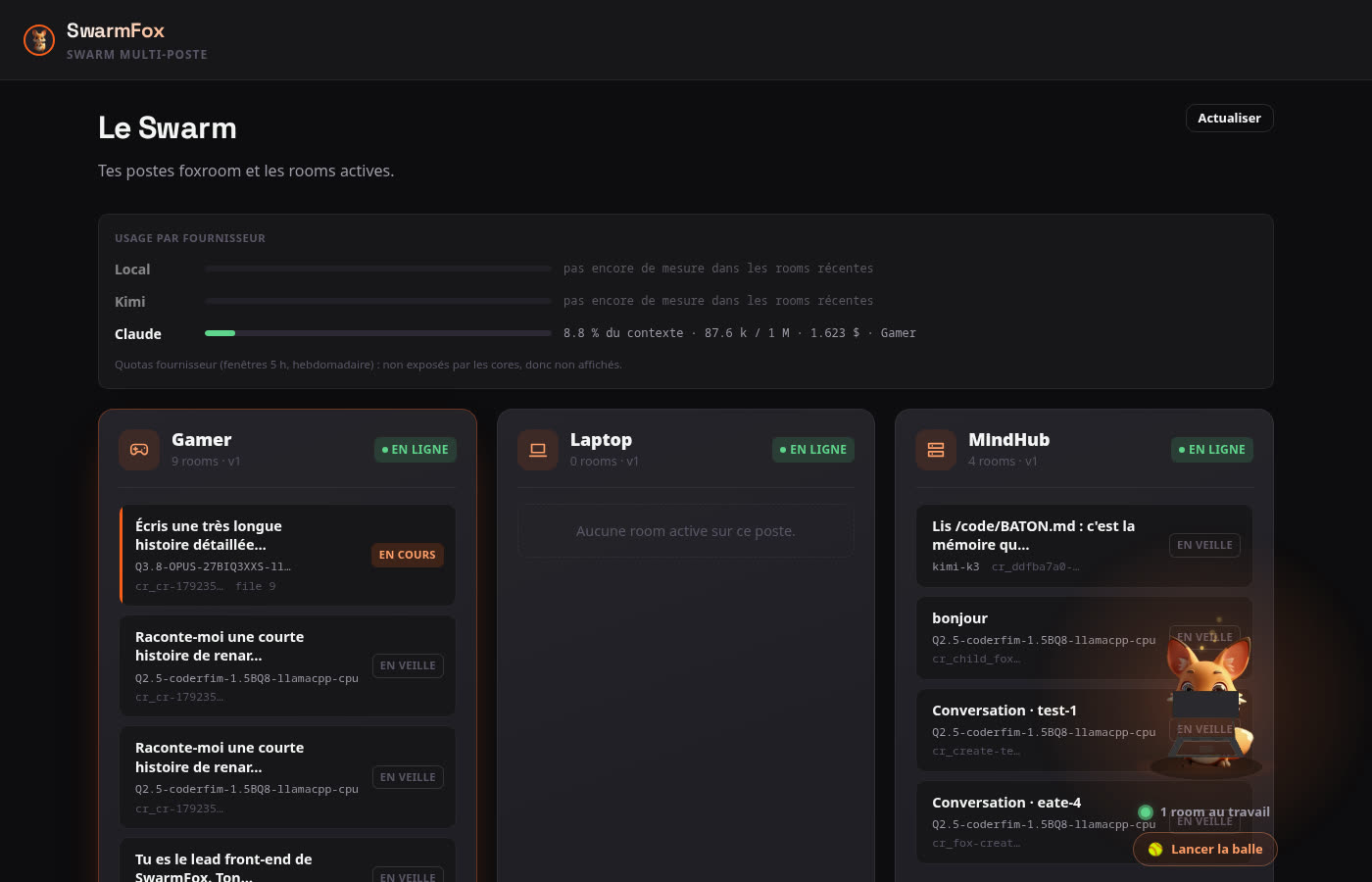
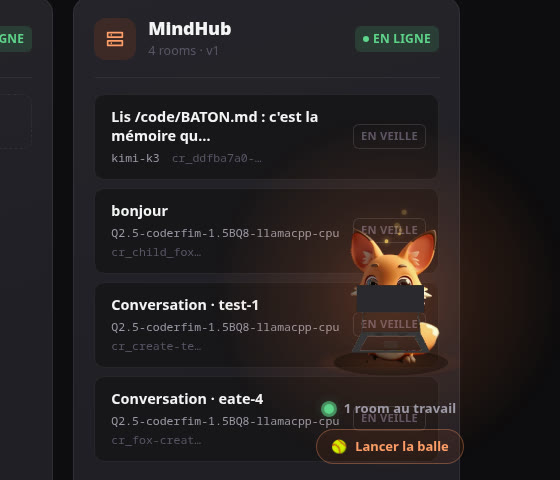
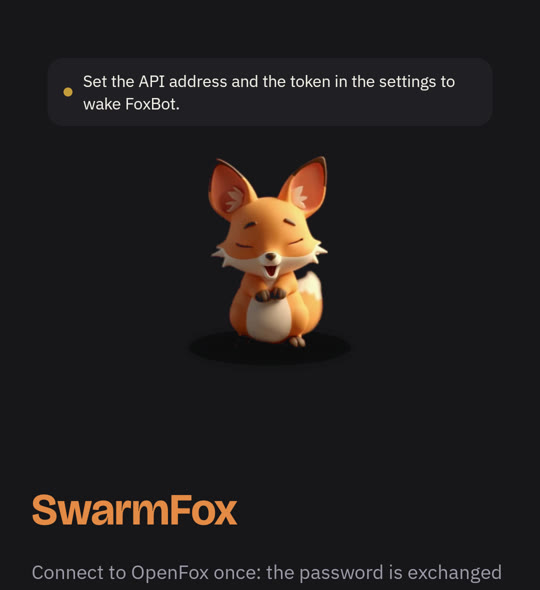
The swarm has a face. FoxBot lives in the web console and in the Android app: it rests when nothing runs, types away when an agent works, and tells you when something is waiting for you.
What it costs
It is not free: you need the hardware. With it, you no longer need a subscription. The articles below say exactly what runs on what, with numbers measured on real cards, not on a spec sheet.
Free articles
Start here. They cover the dependencies we do not write ourselves (GPU driver, containers, model server) and why we do this at all.
- ManifestoWhy run your own AI: control, portability, and honesty about the limits.
- Before you start: hardware, honestlyWhat fits on which card, with measured numbers, and what to buy first.
- Install the NVIDIA driver and check your cardThe one dependency everything else stands on, and how to know it really works.
- Docker with access to your GPUInstall Docker and the NVIDIA Container Toolkit, test it, and avoid the trap after a driver update.
- Your first local model with llama.cppDownload an open model, serve it on your GPU, talk to it with the same API as the big clouds.
What we do not promise
A local model on a consumer card is not a frontier cloud model. It is slower, it makes more mistakes, and we show those mistakes instead of hiding them. What you get is control: your data stays on your machine and nothing locks you in.
For the most demanding
The same building blocks scale. You can grow a very large swarm of agents across several machines and cards. Or you can go hybrid: keep your cloud subscription for the hardest tasks, and put a local agent in front of it, held by deterministic rules. It handles your private data and the routine work at home, and only sends out what truly needs a frontier model. Your frontier quota lasts longer, and your data stays yours.
Either way, what makes it possible is first of all the hardware you put at the disposal of your agent network.